
How to Build a Polymarket Copy Trading Portfolio (The 3-5-1 Method)
Stop copy trading random wallets. The 3-5-1 method gives you a structured portfolio approach to copy trading on Polymarket - diversified, risk-managed, and built for consistent returns.
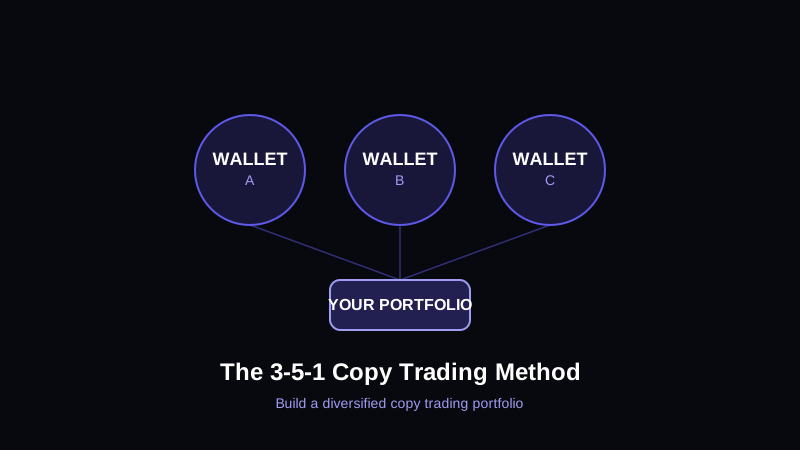
One Wallet Is Not a Copy Trading Strategy
Here's the most common way people copy trade on Polymarket: they find one wallet with impressive returns, follow everything it does, and pray.
That's not a strategy. That's gambling with extra steps.
The reality is that even the best Polymarket wallets go through losing streaks. Political specialists get blindsided by surprise developments. Crypto-focused traders get wrecked during volatility spikes. And when your entire copy trading strategy depends on a single wallet, one bad month wipes you out.
What you need is a copy trading portfolio - a structured system for following multiple wallets across different categories, managing risk, and making sure no single bad bet can sink you.
That's exactly what the 3-5-1 method is designed to do.
What Is the 3-5-1 Copy Trading Method?
The 3-5-1 method is a framework for building a diversified Polymarket copy trading portfolio. It stands for:
- 3 core wallets you follow consistently
- 5% max allocation per individual copy trade
- 1 monthly review to rebalance and replace underperformers
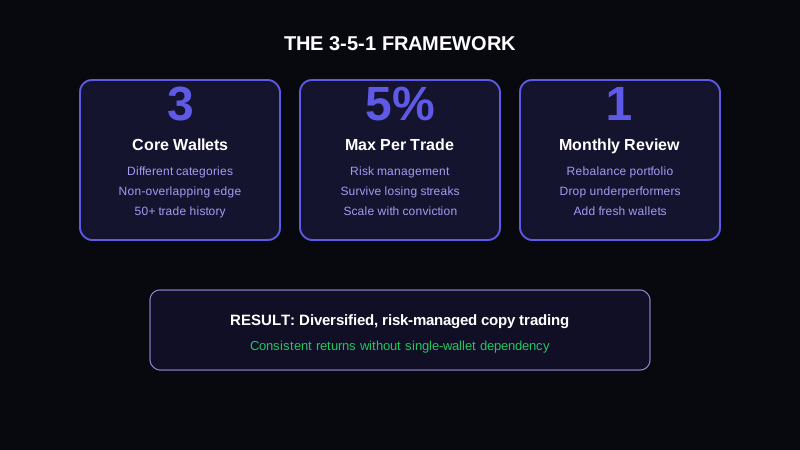
It's simple on purpose. The best polymarket copy trading strategies aren't complicated - they're disciplined. Let's break down each piece.
The 3 Core Wallets: Choosing Who to Copy Trade
Your copy trading portfolio starts with three wallets. Not one, not ten - three. Here's why that number matters.
One wallet is too fragile. If they go cold, you're stuck. Ten wallets is chaos - you can't track that many positions, and you'll end up with conflicting trades that cancel each other out.
Three is the sweet spot for copy trading on Polymarket. Enough diversification to survive a losing streak, few enough to actually monitor.
How to Pick Your 3 Core Wallets
Each wallet should cover a different market category. On Polymarket right now, the major categories are:
- Politics and elections - senate races, presidential odds, policy markets
- Geopolitical events - military conflicts, international agreements, sanctions
- Crypto and finance - BTC price markets, rate decisions, economic indicators
- Culture and sports - entertainment, awards, sporting events
Pick three wallets that don't overlap. A political specialist, a crypto trader, and a geopolitical analyst make a solid copy trading portfolio. Three political wallets? That's just concentrated risk with extra steps.
The Screening Criteria for Each Wallet
Before any wallet earns a spot in your copy trading portfolio, it needs to pass these filters:
- 50+ resolved trades minimum - anything less and you're copying someone without a track record
- 60%+ win rate across those trades - below this and the edge is too thin for copy trading slippage
- No single trade accounting for more than 20% of total profit - you want consistency, not luck
- Active in the last 30 days - dormant wallets don't help your portfolio
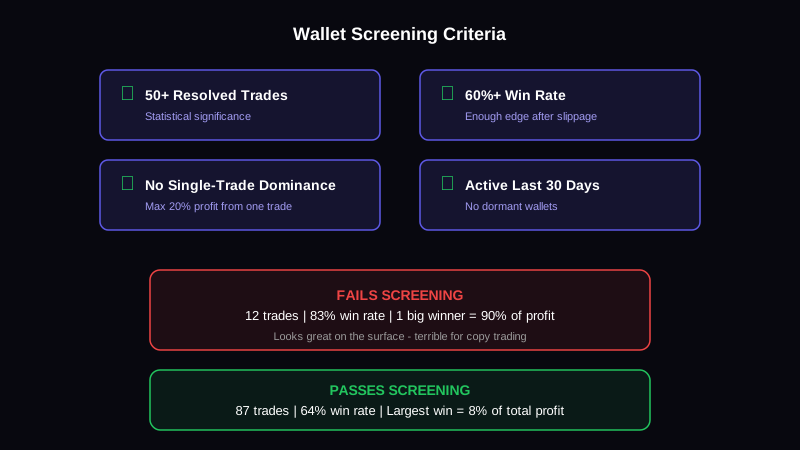
Finding wallets that meet these criteria manually is brutal. You'd need to pull on-chain data, calculate win rates, and cross-reference trade histories. Tools like Ratio make this dramatically easier by surfacing top trader stats and letting you follow them directly.
The 5% Rule: How to Size Your Copy Trades
This is where most Polymarket copy traders blow up. They find a wallet they trust and go all-in on their next trade. One loss later, they're down 30%.
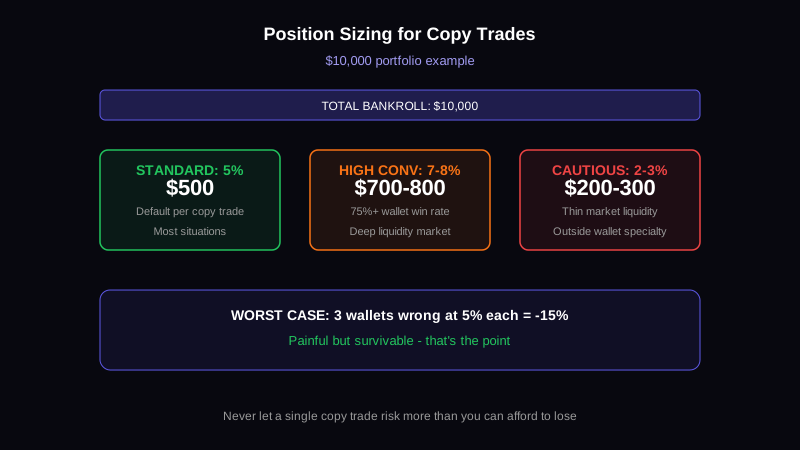
The 5% rule is dead simple: never allocate more than 5% of your total copy trading bankroll to a single position.
Here's what that looks like in practice. Say you have $10,000 allocated to copy trading on Polymarket:
- Wallet A takes a position on a political market - you follow with $500 max
- Wallet B enters a crypto price market - you follow with $500 max
- Wallet C bets on a geopolitical outcome - you follow with $500 max
Even if all three are wrong simultaneously, you've lost 15% - painful but survivable. Compare that to the copy trader who put 50% of their bankroll on a single wallet's conviction play.
When to Adjust Position Size
The 5% rule has two exceptions:
Scale up to 7-8% when:
- The wallet has a 75%+ win rate in this specific market category
- The market has deep liquidity (less slippage risk for your copy trade)
- Multiple wallets in your portfolio are taking the same side
Scale down to 2-3% when:
- The market is thinly traded (high slippage will eat your copy trading edge)
- The wallet is taking an unusual position outside their normal category
- You're already exposed to correlated markets through other copy trades
The Monthly Review: Rebalancing Your Copy Trading Portfolio
Markets change. Wallets go cold. New traders emerge with real edges. That's why the 3-5-1 method includes a mandatory monthly review.
On the first of each month, sit down and evaluate each wallet in your copy trading portfolio:
The Review Checklist
For each wallet, ask:
- What was their win rate this month? If it dropped below 50%, that's a yellow flag.
- Did their average trade size change dramatically? Sudden size increases often signal desperation.
- Are they still active? If they haven't traded in 2+ weeks, they might be done.
- Did they switch categories? A political specialist suddenly trading crypto is a red flag.
- How did my actual copy trade returns compare to their returns? Big gaps mean slippage is killing your edge.
When to Replace a Wallet
Drop a wallet from your copy trading portfolio when:
- They've had two consecutive losing months
- Their win rate has fallen below 55% over your tracking period
- Slippage consistently eats more than 5 cents per trade on your copy trades
- They've gone inactive for 3+ weeks
When you replace a wallet, don't just grab the next flashy performer. Run the screening criteria again. Paper trade the replacement for at least a week before committing real capital.
Advanced Copy Trading Portfolio Tactics
Once you've got the 3-5-1 basics running, here are some ways to optimize your Polymarket copy trading strategy.
Correlation Tracking
Sometimes your three wallets will independently take the same side of a market. When two or more wallets agree, you've got a conviction signal - their combined analysis points the same direction.
This is one of the most powerful advantages of portfolio-based copy trading on Polymarket. A single wallet's position is a data point. Multiple independent wallets reaching the same conclusion is a pattern.
When you see conviction signals, consider allocating the full 5% (or even the 7-8% exception). When your wallets disagree on a market, sit it out entirely.
Seasonal Rotation
Different wallet types perform better in different market environments. During election season, political specialists dominate. During crypto volatility events, crypto traders shine. During international crises, geopolitical wallets outperform.
The best polymarket wallets to copy change with the market environment. Your monthly review should consider whether the current macro environment favors your portfolio mix.
Tracking Your Edge
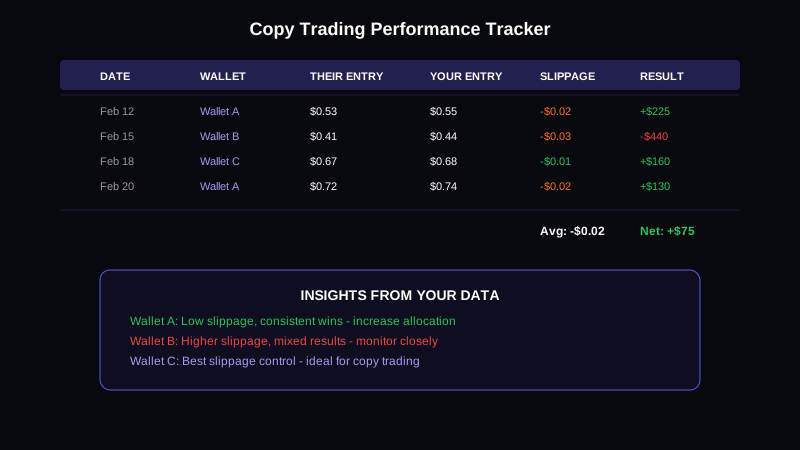
Keep a simple spreadsheet tracking every copy trade you make:
- Date and market
- Which wallet you copied
- Their entry price vs. your entry price (slippage)
- Market outcome
- Your actual P&L
After 30+ trades, you'll see clear patterns. Maybe one wallet is consistently profitable for you while another's edge disappears after slippage. That data should drive your portfolio decisions.
Why This Method Works
The 3-5-1 method works because it treats copy trading on Polymarket like what it actually is - portfolio management. Not gambling. Not vibes. Systematic allocation with built-in risk controls.
Most copy traders fail because they treat it as a "find the magic wallet" problem. The 3-5-1 method reframes it as a diversification problem - and diversification is the one free lunch in all of trading.
You don't need to find the single best Polymarket wallet to copy. You need to find three decent ones, size your positions intelligently, and review your portfolio regularly. That's it.
Getting Started With Portfolio Copy Trading
Building a copy trading portfolio from scratch on Polymarket takes work. Identifying wallets, screening their histories, monitoring their trades, managing your allocations - it's a lot to handle manually.
Ratio was built specifically for this. It surfaces the best-performing wallets, shows you their trade histories and stats, and lets you follow their moves in real time. Instead of spending hours pulling on-chain data, you can focus on the actual portfolio decisions that drive returns.
Whether you use a tool or do it manually, the framework is the same. Three wallets. Five percent max per trade. One monthly review. Start there, and you'll be copy trading Polymarket more intelligently than 95% of the people trying it.
Get Started
Ready to start copy trading?
Download Ratio and follow the best traders on Polymarket. Available on iOS and Android.